


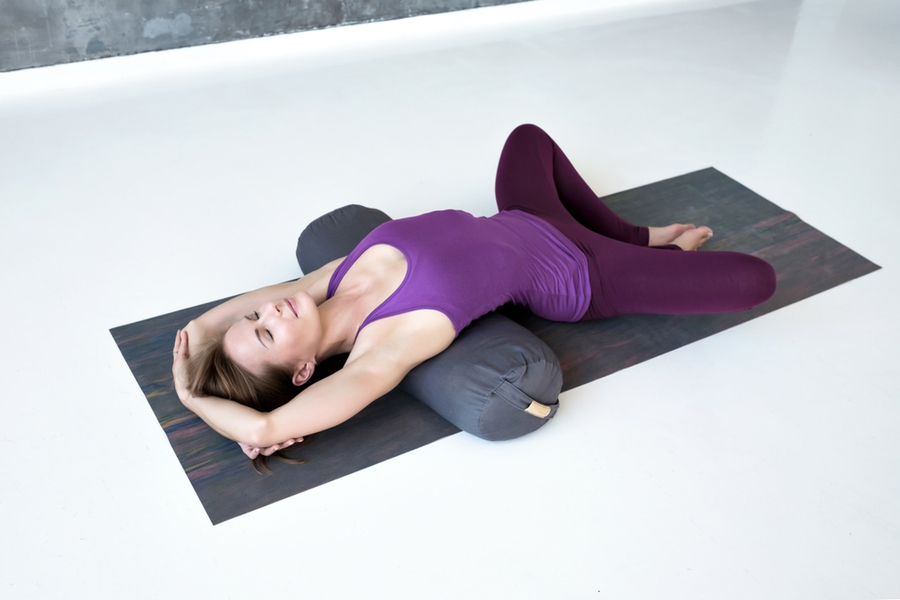
Ashtanga
In Sanskrit, Ashtanga literally means “eight limbs” and this name pretty much explains what this yoga style actually is. The term “Ashtanga” was introduced by an ancient Indian sage Patanjali. He was the one who wrote The Yoga Sutras, which is a rather important text on yoga. In his work, Patanjali described eight practices that are dedicated to eight different limbs, and mastering these practices will help one find out his or her true nature.
According to Patanjali, the eight limbs of yoga are:
- Yamas (behavioral observances or the things you have to do)
- Asana (the practice of physical postures)
- Niyamas (behavioral restraints or things you mustn’t do)
- Pratyahara (withdrawal of the senses)
- Pranayama (breathing techniques that help us manage the life energy)
- Dharana (concentration)
- Samadhi (transcendence)
- Dhyana (meditation)
Ashtanga yoga has a precise sequence of asanas, so you do the same practice on every single training. Usually, beginners start with simple poses and they gradually add more elaborate ones as they become stronger. This style of yoga helps to develop flexibility, strength, and balance. It also includes meditation and breathing practices so not only do you work on your physical body but also on your mental one.
Try Ashtanga
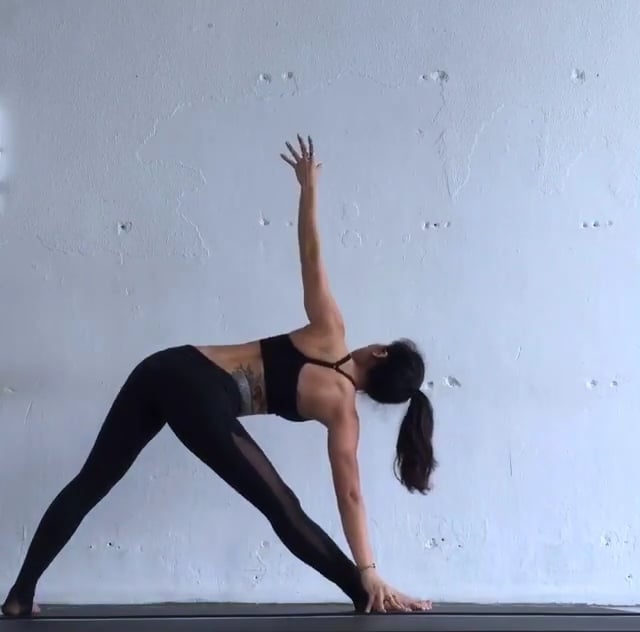
Triangle, Standing Forward Bend, Warrior II, Upward Plank, Revolved Side Angle, Wide Legged Forward Fold, Intense Side Stretch, One-Legged Prayer
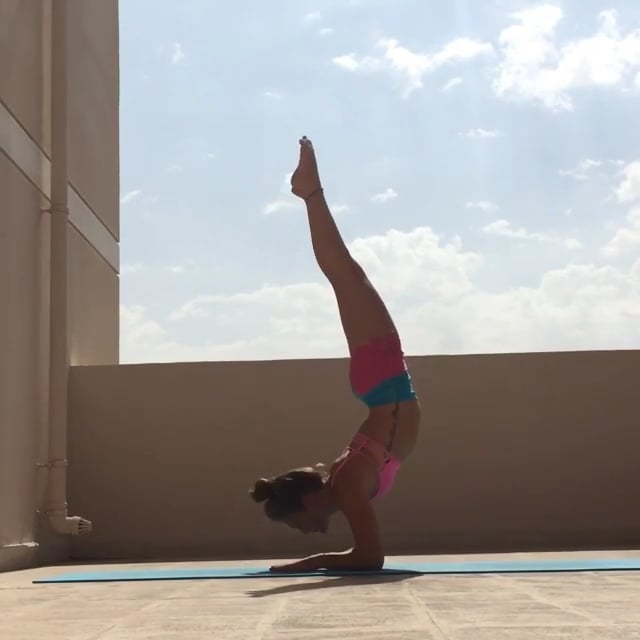
Supported Headstand, Feathered Peacock, Scorpion Variation
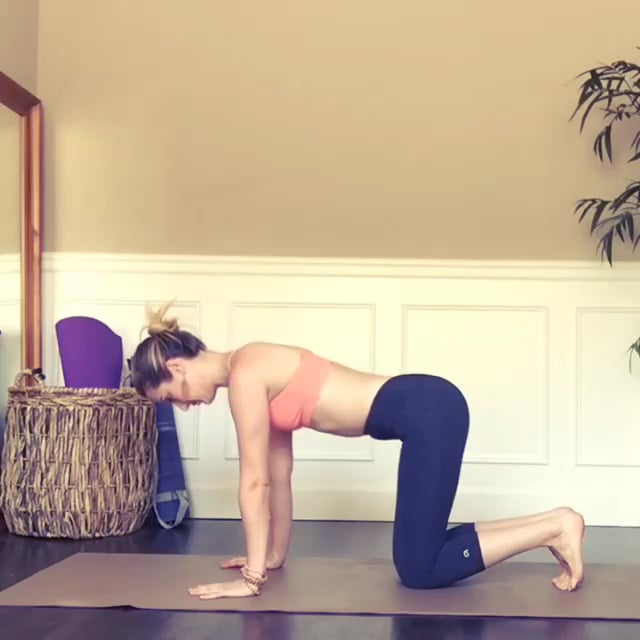
Cow Variation, Supported Headstand
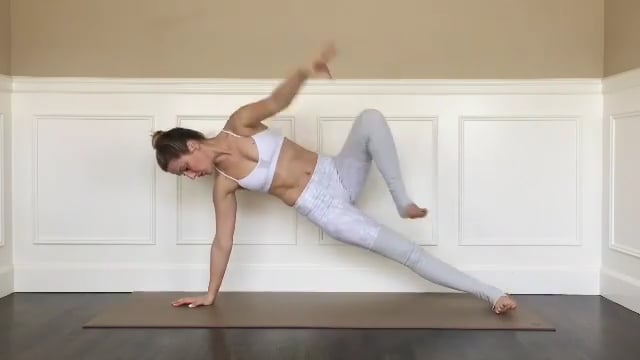
Side Plank, Side Plank Variation, Four Limbed Staff, Upward Facing Dog, Downward Facing Dog